21/10/2026 22:21
Real Pressing Speed or Fast Edit? TikTok Demos for Cambodian Citrus-Press Shops
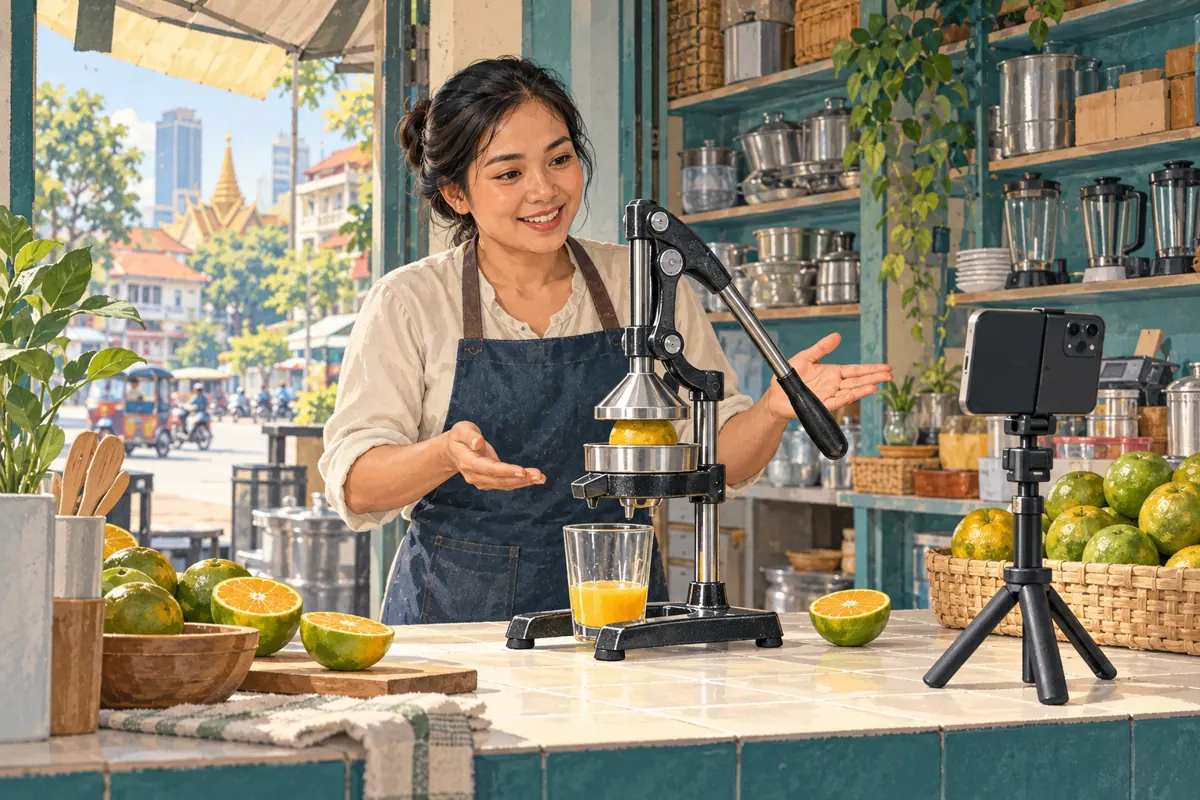
A short citrus-press demonstration can help a Cambodian café owner understand how a machine works. It can also create the wrong expectation if editing makes the handle move faster, removes repeated pressing or hides the work between servings. Before promoting that video, decide what viewers should learn from its timing. This guide explains how to plan, film and review a TikTok demonstration that stays useful after editing. It also shows where SMM-panel claims belong in the decision process: engagement figures cannot establish pressing capacity, product suitability or demand from Cambodian buyers. The shop scenarios below are hypothetical, not customer results.
1. Choose the question the demonstration should answer
Start with a question that the camera can answer clearly. For a manual citrus press, that might be whether the operator can load fruit, lower the handle and remove the squeezed half without moving the machine. Other questions need different footage: whether a tall glass fits underneath, how much overhead clearance the lever needs, or which removable parts require cleaning. Trying to answer everything in one fast montage makes each answer harder to judge.
In a hypothetical Phnom Penh kitchen-equipment shop, the owner wants to show a small drinks-stall operator the complete pressing movement. The brief therefore says: show one ordinary operating cycle, including any repositioning. It does not say: prove how many drinks the buyer can serve during a busy morning. Keeping that boundary explicit helps the person filming, the editor and the person answering enquiries describe the same product honestly.
2. Separate pressing time from serving time
A pressing cycle is only part of preparing a drink. Fruit preparation, loading, removing peel, collecting juice and clearing the work area may all matter to the buyer. A video that begins with prepared fruit and ends when juice reaches the glass cannot establish the duration of the entire serving process. Explain the starting condition before discussing speed.
Make a simple filming note with three entries: what happened before recording, what remains visible, and what happens afterwards. For the hypothetical shop, those entries might be prepared fruit, one continuous press operation, and later cleaning. If a buyer asks about throughput, arrange a separate observation of the relevant workflow. Do not multiply a selected short clip into an hourly capacity claim. Different fruit, operators and working conditions may produce different results, and a demonstration should leave room for those differences.
3. Record a continuous reference before making edits
Record the main operation at normal speed and retain the original file. Position the camera so viewers can see the handle, pressing area, collection vessel and base. Check the full lever movement before recording; a frame that looks adequate while the handle is down may hide its highest position. Follow the equipment instructions and keep the operator's hands clear of moving parts.
Let the recording run through ordinary pauses and adjustments. If the fruit needs repositioning, that is useful information rather than an automatic reason to discard the take. Record close-ups separately, then identify them as detail shots in the editing notes. Keep the reference take associated with the actual model shown, especially when the shop stocks similar presses. This gives the editor a reliable comparison and gives sales staff something concrete to consult when someone asks what the shorter video leaves out.
4. Protect the part where timing carries meaning
Divide the planned video into preparation, operation and explanation. The operating sequence should remain continuous and at its recorded speed when the purpose is to show normal movement. Trim waiting before the demonstration begins or after it ends. A close-up of the removable cup can sit after the sequence without interrupting it.
If preparation is shortened or accelerated, explain that change where it appears. A brief phrase such as “Preparation shortened” is more informative than a general disclaimer at the end. However, a label cannot rescue an edit that removes the very action the buyer needs to assess. If the main pressing sequence feels too long, narrow the video's question or remove unrelated material. Avoid accelerating the handle movement while describing the press as quick or effortless; that combination asks viewers to infer a product benefit from an editing decision.
5. Review the finished video against the original
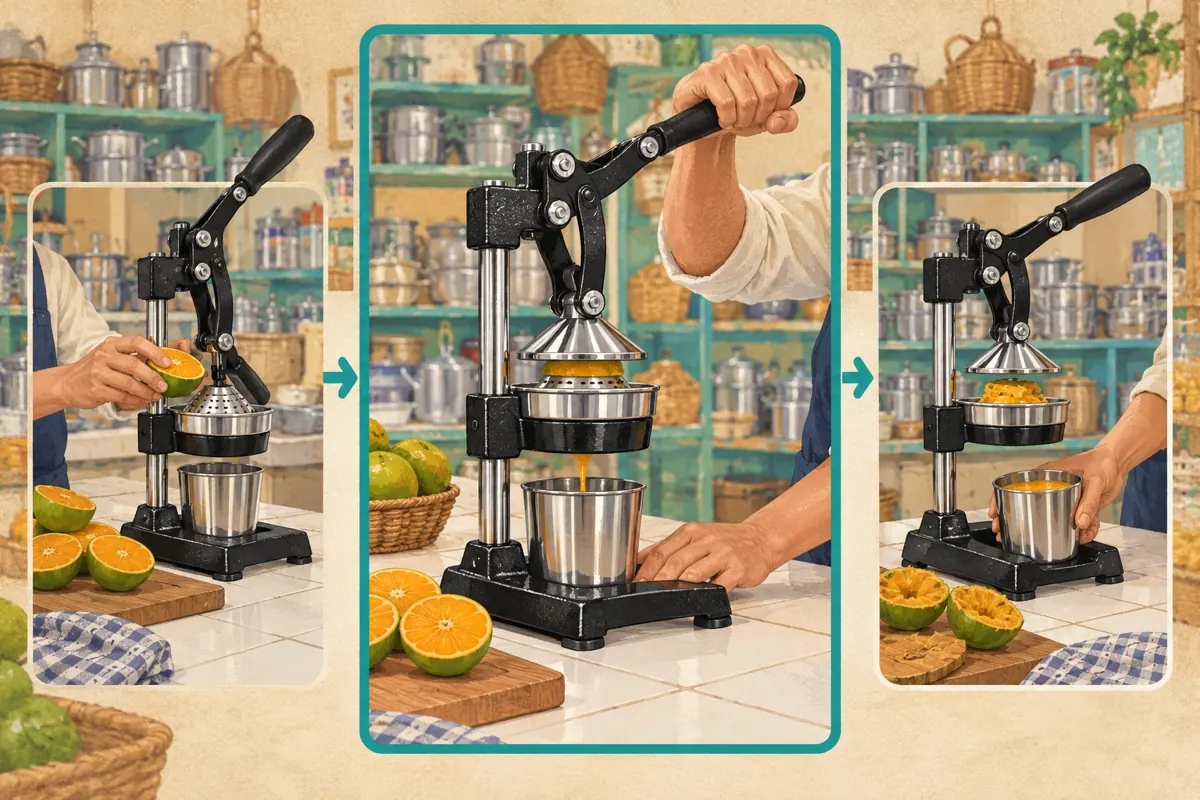
Compare the edited operating sequence with the reference take before posting. Check that the same actions appear in the same order and that no pause, second press or adjustment disappeared. A normal-speed setting cannot restore time already removed by cuts. Similarly, footage recorded with an altered timing effect should not be described as an untouched real-time demonstration simply because the final edit uses no additional speed change.
Watch the finished version on a phone with sound, then without sound. Ask a colleague to explain what they believe the video demonstrates. If they think it proves a full serving time when it only shows pressing, revise the framing or explanation. For Cambodian buyers, prepare Khmer wording where appropriate and have someone fluent check the distinction between an edited preparation segment and an unchanged operating sequence. Keep that explanation visible long enough to read comfortably.
6. Make the offer as precise as the footage
The caption should identify the demonstrated model and the question answered. State whether the collection glass, stand or other visible accessory comes with the product, if that information is confirmed. A prop used for filming can easily become an assumed inclusion. Replace vague claims such as “perfect for every café” with an invitation to check the buyer's actual workspace and intended use.
For the hypothetical shop, a useful enquiry prompt is: send the available counter height and ask about the demonstrated model. A buyer in Battambang may also need delivery information, while someone nearby may want to inspect the lever clearance in person. Confirm those arrangements individually instead of making unsupported blanket promises. TikTok's Community Guidelines also require the content disclosure setting when promoting a product, brand or business. Treat that platform requirement as part of the posting review, alongside the accuracy of the demonstration.
7. Review the SMM listing before making any spending decision
The supplied catalogue includes “TikTok - Video Views ~ Max Unlimited ~ 5M/Days ~ Instant ~ 𝐍𝐎 𝗥𝗘𝗙𝗜𝗟𝗟”. Its title identifies it as a video-view listing, but the supplied description is empty. There is no supporting description here establishing delivery mechanics, viewer location, genuine interest or business outcomes. The speed and capacity wording in the service name should not be repeated as verified performance.
Read the relevant platform rules before considering a purchase. TikTok prohibits the trade of services that artificially increase engagement or manipulate its recommendation system. Where a proposed service involves artificial engagement, the decision should be to decline it. A catalogue entry is not platform approval. Purchased engagement is not evidence of genuine interest, sales, advertising delivery or Cambodian users. For this demonstration, spending time on clear filming, accurate explanations and responsive enquiries provides a more defensible task than trying to use a larger counter as proof that buyers trust the product.
8. Give genuine enquiries a practical next step
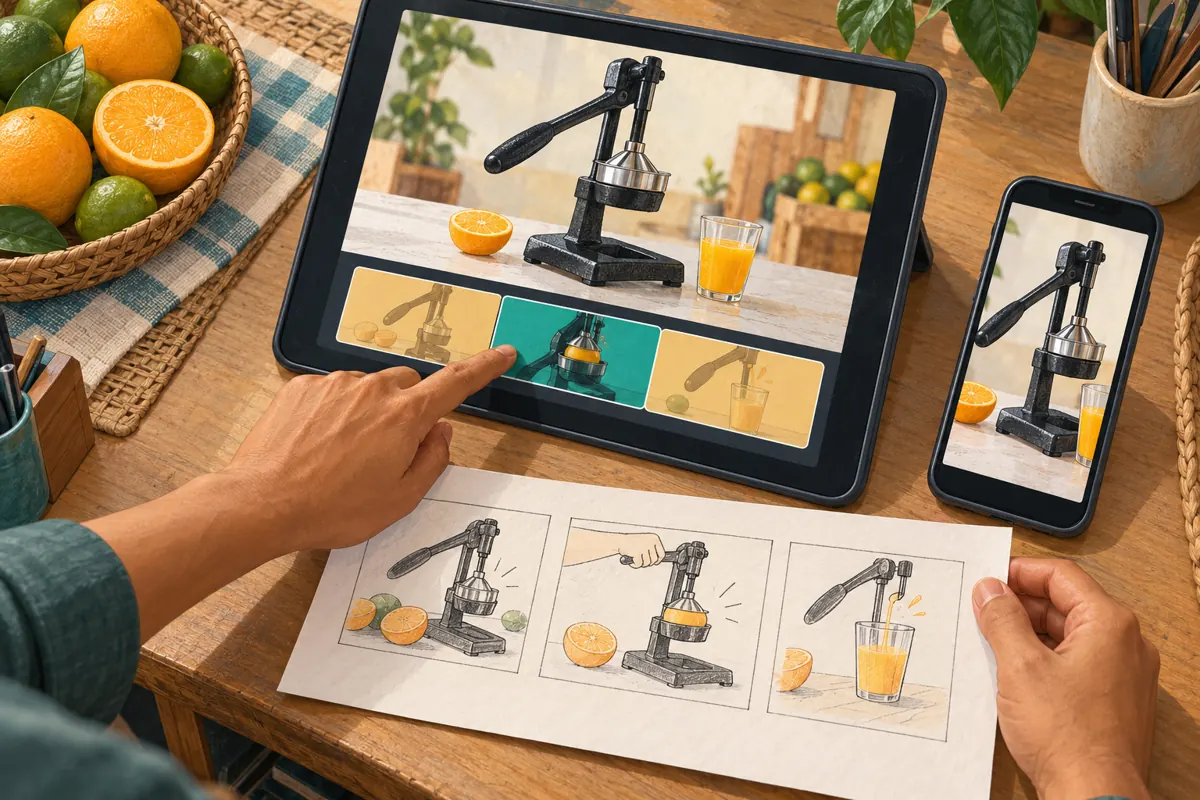
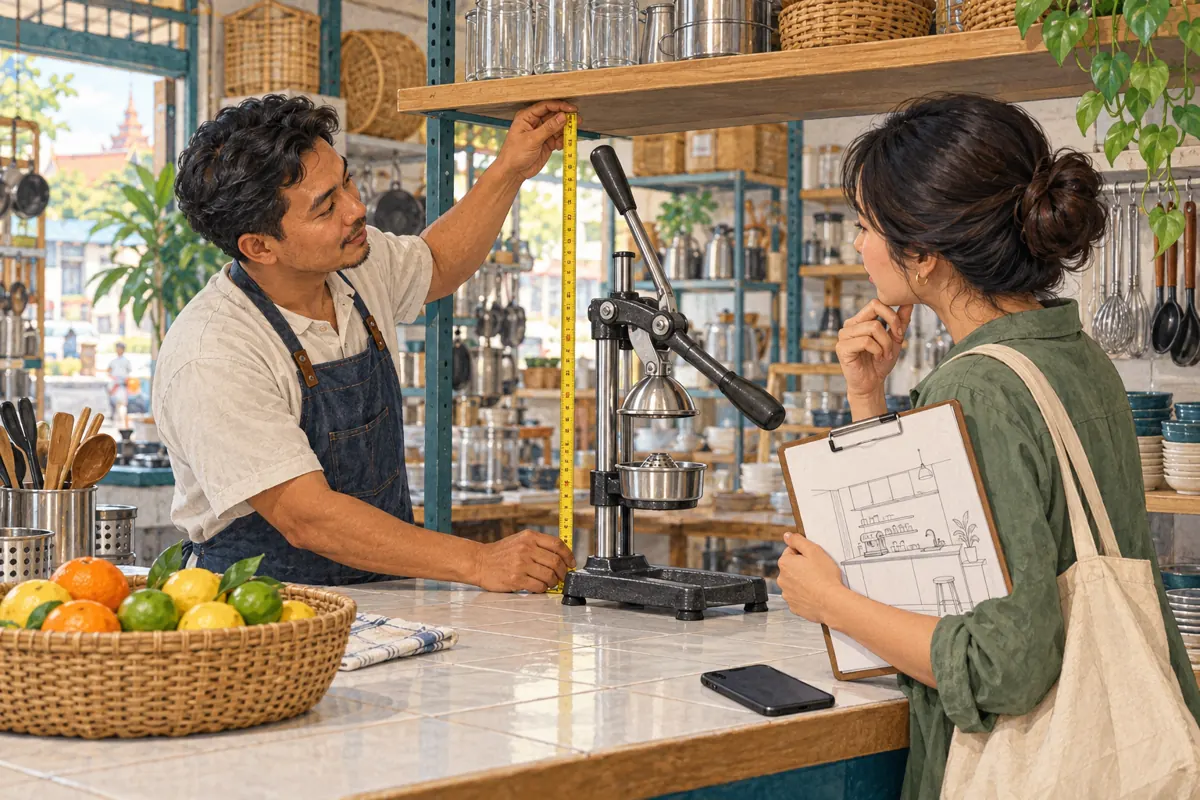
Prepare answers for the questions the demonstration is likely to raise. Keep confirmed model dimensions, accessory inclusions and inspection arrangements available to the staff member handling messages. If someone asks whether the lever fits beneath their shelf, request the relevant measurement rather than answering from the video's appearance. Do not collect unrelated personal information just to discuss product fit.
Use a small enquiry log with the date, demonstrated model, question and next action. Useful categories include clearance, glass fit, cleaning and availability. Record a quotation request separately from a confirmed order. In a hypothetical follow-up, several people misunderstand whether fruit preparation is included in the demonstration. That is a reason to improve the explanation, even if nobody has bought anything yet. The log should help the shop resolve uncertainty; it should not turn every message into a claimed lead or every interested viewer into a customer.
9. Avoid edits that quietly change the comparison
A common mistake is combining the easiest-looking moment from several takes into one apparently continuous operation. Another is showing one model while the caption names a cheaper or differently sized version. Both can survive a superficial review because the finished video looks smooth. Check the equipment identity and action sequence, not just the visual polish.
Be especially careful with side-by-side comparisons. Different fruit preparation, camera angles or omitted steps can make one press appear faster without establishing a fair comparison. If the comparison cannot be explained simply, publish separate demonstrations with clear conditions. Also avoid matching every movement to a music beat when that requires changing the operating speed. Music should support the presentation rather than determine the apparent performance. Keep any later correction connected to the affected video so staff do not continue sharing an explanation that the shop has already found misleading.
10. Decide whether to publish, revise or reshoot
Publish when the video answers its chosen question, preserves the meaningful operating sequence and matches the offer. Revise when the footage is sound but the explanation is ambiguous, an accessory is unclear or the enquiry prompt is too broad. Reshoot when the key action is hidden, the original timing cannot be established or the wrong model was filmed. These choices are easier when the review criteria are agreed before editing.
After publication, review the questions people actually ask. A request about overhead clearance may justify a separate measurement demonstration; confusion about cleaning may justify a removable-parts guide. Keep those subjects distinct rather than continually adding promises to the original clip. Assess the video's usefulness through the clarity of conversations and documented outcomes. If promotional activity or panel-related work occurred, retain its records separately. Neither a delivery record nor a changed public counter establishes that this particular demonstration caused an enquiry or sale.
Frequently asked questions
Can we speed up the entire demonstration if we label it?
A label explains the edit, but the accelerated video will not demonstrate ordinary operating speed. If speed or ease of movement matters to the buying decision, retain a continuous normal-speed sequence. Use an accelerated overview only for a purpose that does not depend on judging timing, and state that purpose clearly.
Does an uninterrupted pressing clip prove drinks-per-hour capacity?
No. It shows the operation and conditions captured in that take. Serving capacity also involves work outside that sequence. A capacity claim would need an appropriate observation of the complete relevant process, with its conditions explained. Do not calculate one from a selected social-media clip.
What if a viewer says the press looks difficult to use?
Ask which visible action raised the concern. Explain the demonstrated setup and offer an appropriate inspection or further demonstration where available. Do not remove an ordinary adjustment merely to make the machine look effortless. The concern may reveal a useful product-fit question that the original video did not answer.
Can a purchased view count show that Cambodian café owners are interested?
No. A counter does not establish a viewer's location, business role or intention to buy. The supplied service description provides no evidence for those conclusions, and artificial-engagement services raise platform-rule concerns. Evaluate actual product questions and confirmed transactions using their own records.
What should we do if the posting phone lacks the editing controls we expected?
Use a simpler version built from the original normal-speed recording, with only necessary trimming before and after the action. This workflow does not require a particular speed menu or effect. If you cannot verify the timing of the available footage, reshoot before describing it as real time.
Explore the current service catalogue, create an account, or ask a specific question through support tickets.
- TikTok Community Guidelines: commercial disclosure and deceptive behaviour overview
- TikTok Newsroom: How TikTok counters deceptive behaviour
Prepared with AI assistance. Illustrations explain the workflow and do not represent customer results.