21/10/2026 18:27
Still Open to Join? Telegram Invite Expiry for Cambodian Rattan Showrooms

A weekend showroom promotion can keep circulating long after the display has changed. Someone forwards an invitation, another person saves it, and a prospective buyer opens it when the featured rattan chairs are no longer available to inspect. For Cambodian furniture businesses, the practical question is not simply how to attract attention. It is how to keep the invitation, the channel and the showroom promise aligned. Telegram invite links can help manage the entry window, but they do not manage stock or reserve appointments. This guide follows a hypothetical Phnom Penh rattan showroom preparing a weekend preview and explains where SMM-panel decisions belong in that workflow.
1. Define what joining actually gives the visitor
Start with a single sentence describing the destination: joining gives visitors access to the showroom’s product updates and preview information. Keep that separate from any promise about a reserved chair, a discount or a consultation. In our hypothetical example, the shop is displaying several chair styles over a weekend. Customers may browse the channel first, then contact staff to ask whether a particular sample is still on display.
Write the invitation around that sequence. A useful message identifies the display dates, the showroom area, the products visitors can inspect and the next step for arranging a visit. Prepare customer-facing wording in Khmer where appropriate, retaining model names consistently. If appointments require confirmation, say so beside the invitation. Otherwise, a person may interpret successful channel entry as acceptance of a visit request, especially when the promotional image shows a calendar or suggests limited availability.
2. Decide whether an expiring invitation solves the problem
Telegram’s official invite-link announcement explains that owners and administrators can create additional links with a time limit, a usage limit or both. It also describes viewing which users joined through a particular link. These controls concern entry through that invitation. Treat them as tools for managing distribution, rather than as a substitute for the showroom’s booking process.
Choose a time limit when the invitation belongs to a genuinely temporary campaign. Choose a durable route when the material is intended to help customers find the shop throughout the year. A permanent product-care card should not unexpectedly stop helping its reader because it contains a weekend-only invitation. Before creating anything, ask whether the material will remain in someone’s bag, a partner’s counter display or a saved conversation after the promotion. That expected lifespan should influence the route you provide.
3. Give each distribution route a clear purpose
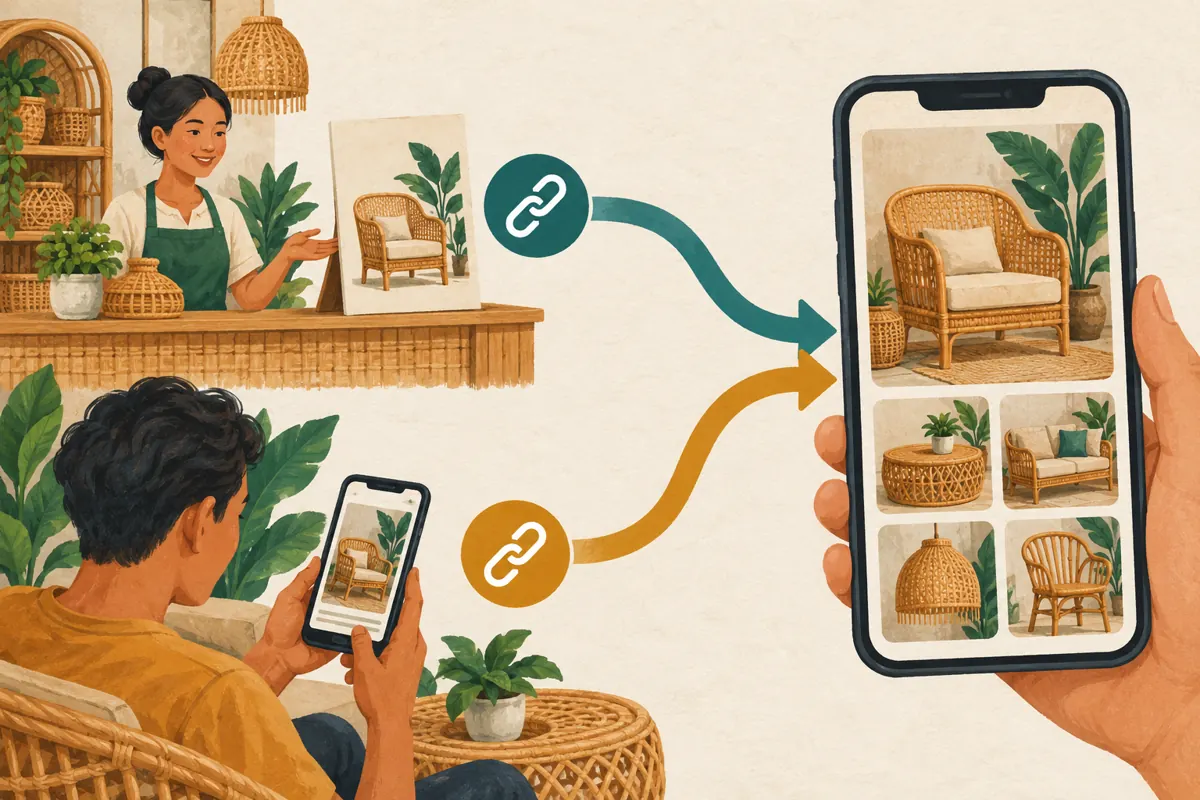
For the hypothetical preview, the shop could prepare one invitation for its own social post and another for cards handed out at the showroom. Keep a small register containing each complete link, its intended placement, the responsible staff member and its planned retirement time. Use descriptive internal labels such as “weekend preview social post” and “weekend preview counter card.” Avoid labels that imply verified Cambodian buyers or confirmed customers.
Separate routes make maintenance easier: staff can identify which materials need updating when one invitation changes. They also help explain observations, although forwarding weakens any conclusion about the original source. A link assigned to a counter card can later circulate in a private conversation. Record that someone entered through that link without claiming that they personally visited the counter. Do not create dozens of links unless someone can maintain the register and distinguish their purposes.
4. Set the entry window independently of showroom capacity
Write down the campaign’s start, the last useful time to join and the deadline for asking about a visit. Specify Cambodia time in the team’s working notes and check the date and time displayed on the device used for setup. These moments may differ. Someone joining shortly before the showroom closes may still benefit from future product updates, but cannot reasonably expect staff to arrange an immediate viewing.
A usage limit should never stand in for appointment capacity. One household may have several Telegram accounts, while one person may enquire for a whole café furnishing project. Joining therefore cannot allocate chairs, consultation time or delivery space reliably. Use a separate appointment record containing the requested date, relevant product and staff confirmation. Select a link limit only when there is a clear reason to restrict that entry route, and prepare an explanation for people who encounter a closed invitation.
5. Create the invitation and test the customer journey
Telegram’s published guidance places invite-link management under the group or channel profile, then Edit and Invite Links. Interface wording can vary, so inspect the controls available in the current app. Confirm the destination before creating an additional invitation, apply the intended limits and copy the resulting link directly into the campaign register. Avoid retyping it from a screenshot.
Ask a consenting colleague who is not already a member to test the actual invitation from the draft promotional material. Confirm the destination name, image and first useful information they encounter. Keep any deliberate test join in your notes so it is not later counted as customer response. Then check the practical next step: can the visitor find the showroom details and understand how to request a viewing? An invitation that opens correctly can still lead to a confusing buying journey if the featured furniture is difficult to identify.
6. Keep the channel useful throughout the preview
Prepare a short arrival message before distributing invitations. For the hypothetical rattan showroom, it should explain which pieces are display samples, which can be purchased and which require a separate availability check. Include dimensions that matter to a visit, such as the overall width of a chair, without implying that every finish or size is currently stocked. Place the contact route close to the product information.
Assign one staff member to update changed display details during the campaign. If a sample leaves the showroom, say what visitors can still inspect and whether a replacement is expected. Do not wait for the invitation to expire before correcting the promise. Existing readers may already be planning a journey, and forwarded promotional material can outlast the original post. Give staff a consistent reply for enquiries about older pictures: identify the pictured model, explain its current display status and offer a relevant next step.
7. Make a separate decision about SMM-panel services
The supplied smm-best.com catalogue includes “Telegram Channel/Group Members ~ Max 1M ~ 500k/days ~ Instant ~ 𝐍𝐎 𝗥𝗘𝗙𝗜𝗟𝗟”. Its title identifies a member-oriented listing, but no supporting description is supplied. The wording does not establish audience location, authentic buying interest, compatibility with expiring invitations or suitability for this showroom. Treat the quantity, speed and refill wording as catalogue claims requiring clarification, not verified outcomes.
Before considering an order, establish what destination format the service accepts, what access it requires and whether its method complies with applicable platform rules. If those details remain unclear, leave the order unplaced. Do not remove an intentional access restriction merely to accommodate an unspecified service. Purchased engagement is not evidence of genuine interest, sales, ad delivery or Cambodian users. For a business trying to learn whether local people want to inspect furniture, adding purchased members can also make the audience figures harder to interpret.
8. Review entry, enquiries and bookings separately
Keep three kinds of evidence distinct. Entry records describe channel access. Enquiry notes describe questions customers actually asked. Booking records describe visits that staff explicitly confirmed. If SMM activity occurs, record its dates and relevant order reference separately. Avoid crediting an increase in members to the weekend invitation when another activity could explain it.
In a hypothetical review, staff might find that people repeatedly ask whether a pictured armchair fits through a narrow doorway. That is a concrete reason to improve the product explanation, even without a large audience. By contrast, a link with more joins does not automatically deserve more promotional spending. Consider where it was shared, how long it remained available and whether prospective visitors received usable answers. Summarise uncertainty directly: the entry route is known, while the person’s location, reason for joining or eventual purchase may remain unknown.
9. Close the invitation and update the surrounding material
Telegram’s technical documentation states that a revoked invite link cannot be used to join. It also distinguishes public usernames from private invitation links. Closing a particular invitation therefore should not be treated as proof that every other route to the channel has closed. Review the routes that actually exist before describing the campaign as inaccessible.
At the planned finish, check the invitation’s status and retire any still-active campaign route that should close. Then remove counter cards, revise editable social posts and tell participating partners which material is outdated. Publish a clear update explaining what the showroom offers next. Treat previous appointments and enquiries as continuing responsibilities: changing an invitation is not a customer cancellation process. Keep the original link and retirement note in the internal register so staff can recognise an old invitation when someone asks why it no longer works.
10. Avoid fixes that create another confusing invitation
A common mistake is replacing a failed invitation immediately without checking why it failed. First compare the customer’s link with the register, confirm the intended destination and inspect its configured status. An expired campaign may need a current information route, while an accidental setup error may need a corrected invitation. Those are different customer messages. Explain the situation before asking the person to try another link.
Another mistake is extending the invitation while leaving old showroom dates in the promotion. Renewing access does not renew the offer. Review both together, including any promise about samples or staff availability. Finally, avoid presenting a restricted invitation as evidence of exceptional demand. Limits are administrative choices unless genuine business records support a stronger statement. A useful campaign leaves customers knowing what they can inspect, how to arrange a visit and which information is still current.
Frequently asked questions
Should a permanent showroom card use the weekend invitation?
Usually it should use a durable route to current shop information instead. A card can remain in circulation well beyond the preview. Reserve a temporary invitation for material clearly associated with that campaign, and print the relevant dates and a continuing contact route so the reader can still find help afterward.
Does an invite-link usage limit reserve showroom places?
No. Channel entry is not a booking record. Ask interested visitors for their preferred time and the item they want to inspect, then confirm arrangements separately. Keep capacity decisions with the staff managing the showroom, where changes to sample availability and appointment timing can be handled together.
Can invite-link records prove that visitors came from Cambodia?
No. A route labelled for a Cambodian campaign does not verify the location of everyone using it. Invitations can be forwarded. When location matters for a quotation or visit, ask the customer for the relevant delivery area or showroom preference during the enquiry, without collecting unnecessary personal information.
What should staff tell someone whose invitation has expired?
First identify which campaign the invitation belonged to. Explain whether the preview has finished or whether the link had a setup problem. Offer current product information and an appropriate contact route. Do not promise the old display or appointment availability merely because the customer still has the original invitation.
Is a member service necessary before sharing the showroom invitation?
No. A clear destination, accurate display information and responsive staff provide a practical starting point. The supplied member-service title does not establish that it will bring prospective furniture buyers. If the objective is to understand customer demand, prioritise genuine enquiries and confirmed visits when deciding what to improve.
Explore the current service catalogue, create an account, or ask a specific question through support tickets.
Prepared with AI assistance. Illustrations explain the workflow and do not represent customer results.