22/10/2026 10:01
Where Did the Latch Click Go? Fixing Muted TikTok Demos for Cambodian Hardware Shops
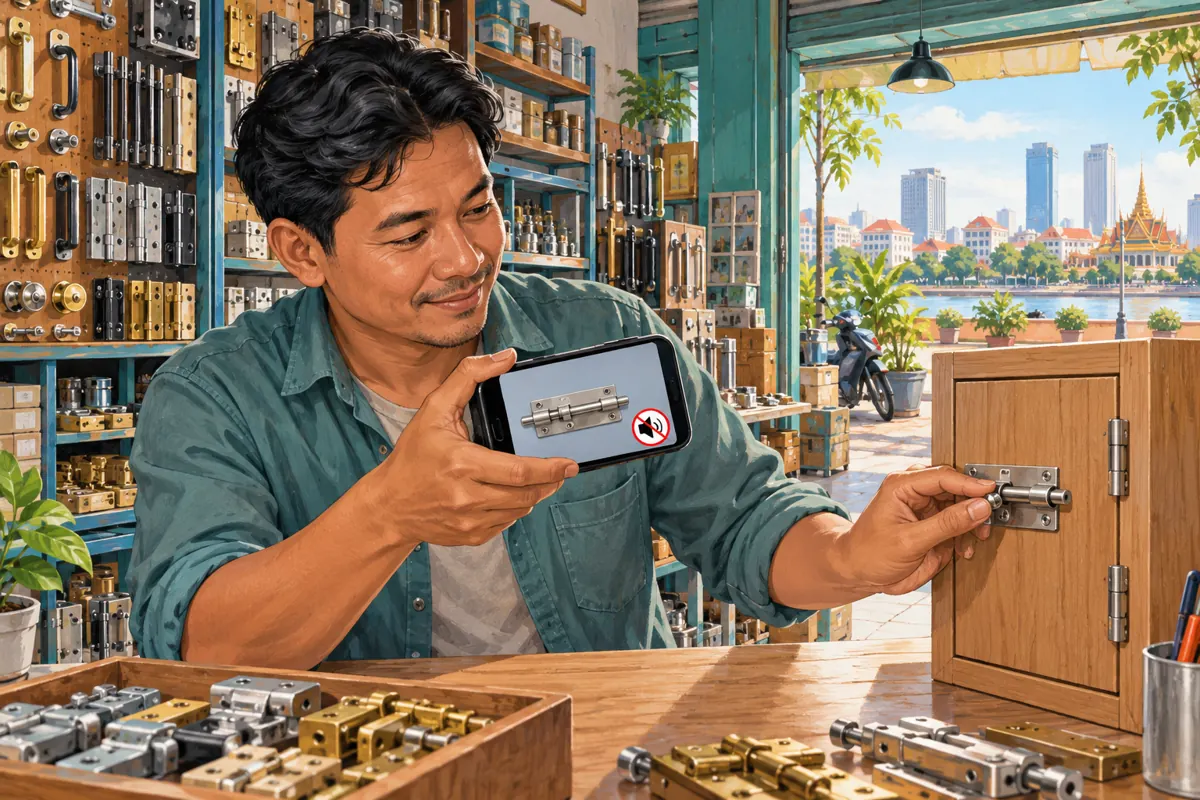
A cabinet latch demonstration can lose its purpose when the sound disappears. Viewers may still see a hand closing the door, but miss the click, the explanation of the fitting, or the distinction between two mechanisms. For Cambodian hardware shops using TikTok to answer product questions, this is a content problem to resolve before sending more people to the video. The following workflow connects sound-removal checks, recording decisions and promotion records. It also explains why an SMM service cannot repair missing audio or turn a video counter into evidence that local buyers understood the demonstration.
1. Identify what the missing sound was supposed to explain
Start with the buyer’s question. Was the clip showing how a latch moves, letting someone hear its closing sound, or explaining which fitting comes in the package? These purposes require different repairs. A visual movement demonstration may remain useful without music. A clip inviting people to listen to the mechanism becomes incomplete when the original recording is missing. Write one sentence describing what the viewer should learn before deciding how to fix it.
Consider a hypothetical Phnom Penh hardware shop demonstrating a small cabinet latch. The worker closes the sample door, points to the catch and explains that the screws shown are separate. Background music supplies atmosphere, the worker’s voice supplies purchasing information, and the click supplies product context. Treat these as three separate audio elements. Replacing the music might improve the presentation while leaving the other two elements absent. The repair is complete only when the intended explanation works again.
2. Check the removal notice before diagnosing the problem
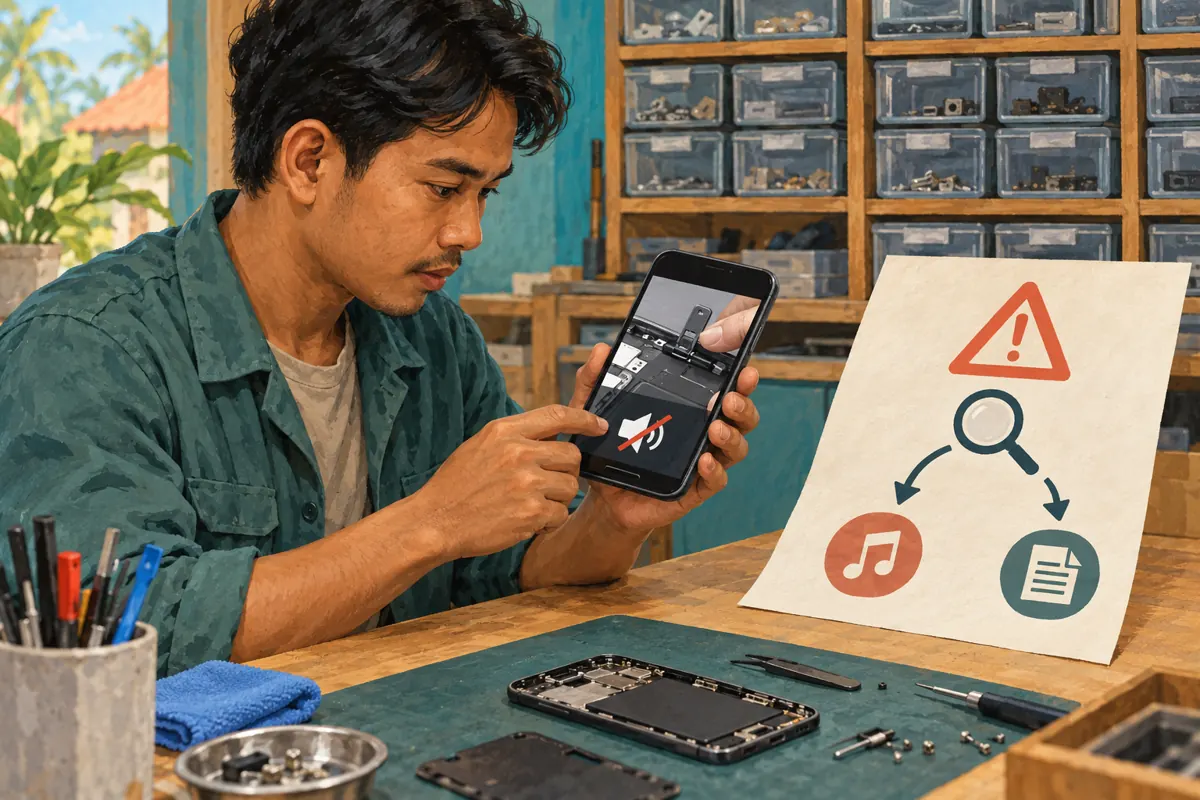
First confirm that the phone itself is producing sound by checking its volume and playing another known recording. Then inspect the affected post. TikTok’s help page, A sound was removed from my video, says to open the muted video and tap View details. The notice identifies copyright restrictions, Community Guidelines violations, or both. Record what it actually says. Silence alone does not tell you which reason applies, and an SMM order status cannot explain a platform sound-removal decision.
Keep a short internal note containing the post link, the date checked, the notice wording and the missing information. Avoid guessing that a competitor complained or that the account has received a broader restriction. Assign one person to review the notice so colleagues do not simultaneously replace audio, delete the post and circulate an outdated link. Until someone has checked the result, remove the video from the shop’s queue of recommendations and promotional shares that the team controls.
3. Decide between replacement, review and refilming
Use the notice and the video’s purpose together. If optional background music disappeared but the demonstration remains understandable, investigate the available replacement route. If the shop uploaded the original sound and believes its removal was mistaken, inspect the appeal options shown for that case. TikTok’s separate guidance for removed original sounds describes different outcomes depending on the reason; it does not promise that every muted video can be repaired in the same way.
Refilming is the practical editorial choice when essential narration or product sound cannot be recovered through an appropriate available option. This does not mean re-uploading disputed material unchanged. Make a fresh, usable recording with an audio source you can account for. In the hypothetical latch demonstration, a new close-up with clear narration may serve buyers better than adding a pleasant soundtrack to silent footage. Do not submit an appeal merely because the original post has accumulated views or is already included in a promotion plan.
4. Choose music that fits a commercial demonstration
TikTok recommends its Commercial Music Library for content promoting a brand, product or service because that music is pre-cleared for commercial use. Its guidance states that licenses for music outside that library do not cover commercial use in content. It also describes a Music Usage Confirmation for original sounds or outside music when commercial disclosure is enabled. A familiar track appearing in another creator’s video is therefore not enough information to select it for a shop promotion.
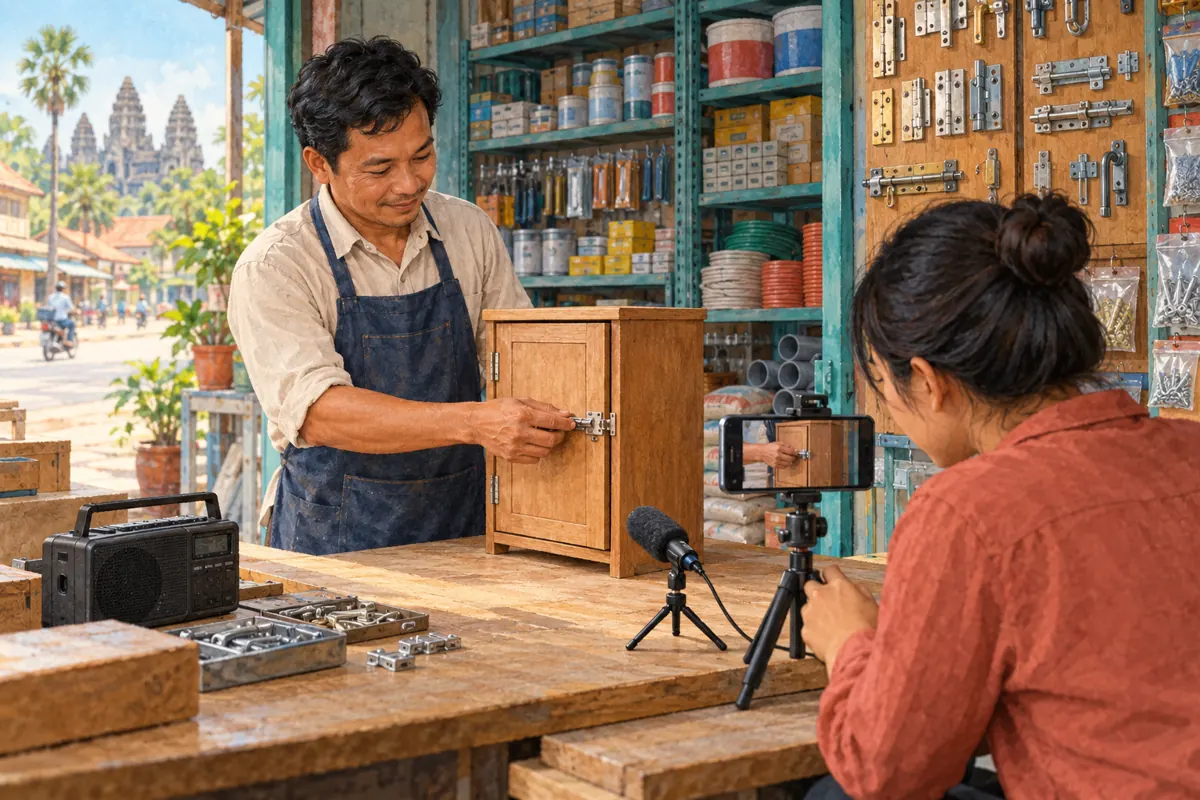
For this particular demonstration, music may be unnecessary. A clean voice recording and the natural latch sound can carry the explanation. If the editor adds music, retain a note identifying the track and the basis for using it in this post. Do not assume that a TikTok music choice also authorizes an exported version on another platform. Turn off radios and nearby music during recording where possible, and listen to the raw clip before editing; background audio can be easy to overlook while watching the mechanism.
5. Record the mechanism without manufacturing a result
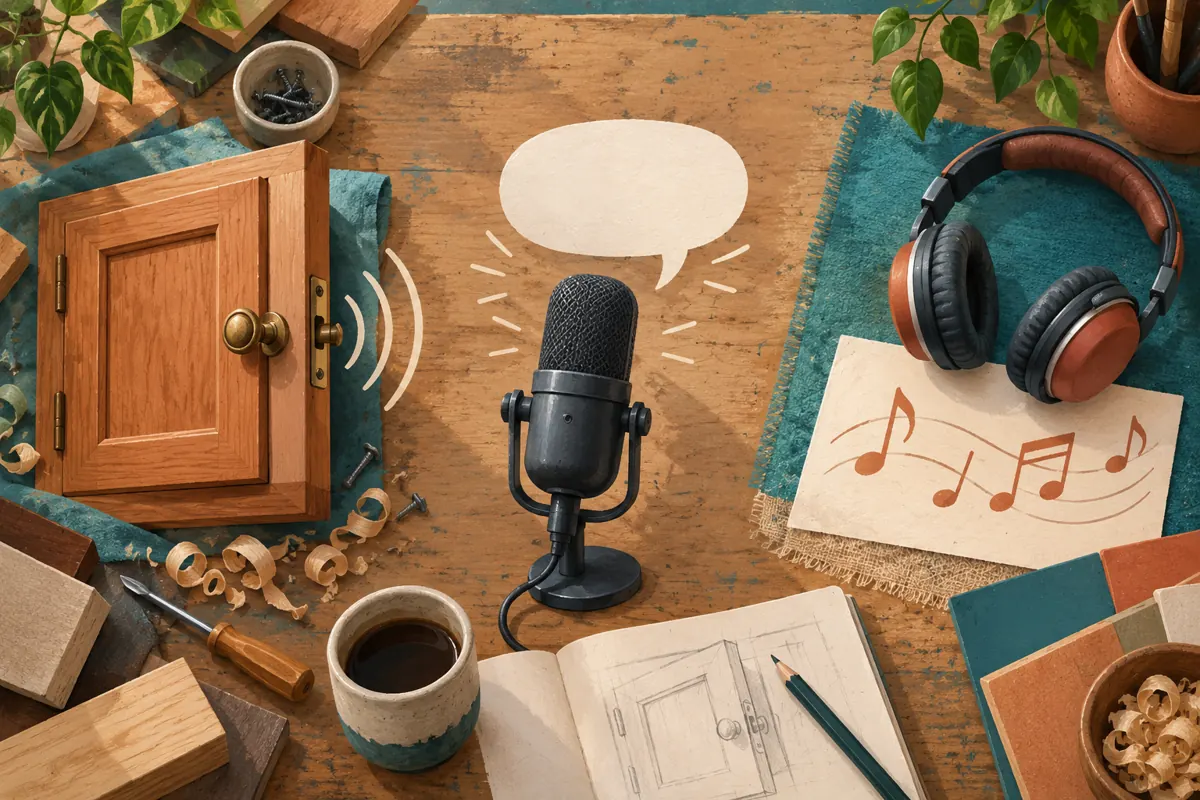
Place the demonstration cabinet on a stable surface and frame both the latch and its receiving part. Record the hand movement continuously so viewers can see what produces the sound. Keep the microphone position consistent between takes, and avoid speaking over the moment you want buyers to hear. Make a short practice recording and listen through both headphones and the phone speaker. A recording that sounds clear beside the workbench may reveal distracting handling noise during playback.
Describe the clip as a demonstration of that sample and setup. Different doors, mounting surfaces and recording conditions can change what a listener hears. Do not add a stock click, amplify one sample selectively, or present a music replacement as the mechanism’s actual sound. If the shop wants to compare two fittings, use comparable recording conditions and explain the visible differences. For Khmer-speaking customers, prepare a short Khmer explanation and have a colleague check product terms before filming rather than improvising a confusing translation during the take.
6. Review the published result after changing sound
For an eligible muted video, TikTok’s documented replacement sequence is to open View details, choose Change sound, select the replacement, adjust its trim or volume as needed, and finish with Post. Follow the options actually displayed for the affected video. A missing control or a different notice is a reason to consult the relevant help route, not evidence that repeated tapping will make the option appear.
After saving, reopen the published video and play it from beginning to end. Check the opening explanation, the latch movement and the final buying instruction separately. Listen for music masking speech, abrupt cuts and a silent section where the original click mattered. Then open the exact link your colleague intends to share. Do not approve the post using only the editing preview. If essential information is still absent, keep the content marked as awaiting repair and move to a fresh recording instead of declaring success because a soundtrack now plays.
7. Make the demonstration useful with sound off too
Restoring audio and supporting silent viewing are complementary tasks. Add concise, manually checked on-screen explanations to a fresh edit where they help: identify the part, show the receiving piece and state whether the displayed accessories are included. Keep text away from the moving mechanism. For a Cambodian audience, choose the language buyers use when asking the shop questions, while retaining genuine model codes exactly. Avoid crowding one frame with several translations that become too small to read.
Ask a colleague who did not edit the clip to watch it without sound and describe what is being sold. Then let them listen and explain what the audio adds. In the hypothetical example, they should distinguish the latch from the complete cabinet and understand what to photograph before requesting a matching part. If they cannot, revise the content. A useful closing instruction might ask buyers to send a clear image of their existing fitting and its mounting area, without promising compatibility from appearance alone.
8. Keep replacement content and existing references connected
If refilming leads to a new post, record the new link beside the old one in the team’s working notes. Mark which video is approved for sharing and explain the reason for replacement in ordinary language, such as missing product audio. Review prepared messages, saved reply templates and promotional drafts that contain the earlier link. Someone replying to a customer should be able to identify the current demonstration without comparing several nearly identical thumbnails.
Where an SMM panel request already references the affected post, preserve its existing order information. Record when the content problem was discovered and whether a new post was created. Consult the service’s actual terms or support process before assuming that a target can be changed, an order stopped, or a refund issued. A new upload does not automatically inherit an earlier request. Keeping this history intact lets the team discuss the content repair and the service record accurately without claiming that either system updated the other.
9. Separate SMM catalogue labels from content readiness
The supplied smm-best.com catalogue includes the exact public name “TikTok - Video Views ~ Max Unlimited ~ 5M/Days ~ Instant ~ 𝐍𝐎 𝗥𝗘𝗙𝗜𝗟𝗟”. It is a video-view listing, but the supplied description is empty. Its title is not independent verification of delivery speed, audience location, account quality or any other operating claim. Nothing in the supplied information establishes an audio-repair capability, music permission or official TikTok affiliation.
Purchased engagement is not evidence of genuine interest, sales, ad delivery or Cambodian viewers. TikTok’s Community Guidelines also prohibit services that artificially boost engagement or manipulate recommendations. An appropriate decision may therefore be to avoid a proposed service and concentrate on useful content and platform-compliant promotion. Do not use a higher view count to argue that buyers heard the mechanism, understood the offer or approved the repair. Those questions require reviewing the video and listening to genuine customer questions.
10. Resume promotion with a clear review record
Approve the demonstration only after one reviewer checks the public post, the audio, the product explanation and the destination link. Keep a simple record of who checked it and when. For a small shop, a shared note is sufficient; an elaborate reporting system is unnecessary. Use separate entries for content readiness, any existing service status and actual enquiries. This prevents a completed service record from being mistaken for confirmation that the video itself is ready.
Common mistakes include replacing music without checking narration, deleting the earlier post before recording its references, and assuming silence proves that the product operates quietly. Another is treating every question as a sales lead. A buyer asking which screw fits has revealed an information need, not a confirmed purchase. Use recurring genuine questions to improve the next demonstration. After repairing the hypothetical latch video, the shop might discover that a clearer view of the receiving plate is more useful than another soundtrack change.
Frequently asked questions
Can replacing the soundtrack restore the original latch click?
Do not assume it will. A replacement soundtrack may add music while the original product recording remains absent. Play the saved post and listen specifically for the click and narration. If those elements are essential and unavailable, make a fresh recording rather than substituting an artificial sound that could misrepresent the fitting.
Should we appeal whenever our original sound is removed?
Use an appeal when the available process applies and you have a factual basis for believing the decision was mistaken. TikTok says options depend on the removal reason, and videos using an original sound remain muted during its appeal review. Retain relevant evidence and follow the notice; commercial urgency alone does not establish that removal was incorrect.
Can we use a popular song quietly beneath our explanation?
Low volume does not establish commercial-use permission. Follow TikTok’s commercial music guidance and check the basis for using the selected audio. For a latch demonstration, clean narration and natural product sound may be more useful anyway. Listen for music accidentally captured from a radio or another phone during filming.
What should we do if an SMM order already uses the muted video?
Preserve the order ID, original target and relevant dates. Document the content problem separately and check the provider’s stated process before assuming cancellation or target replacement is possible. Do not submit another request simply to compensate for missing audio. An engagement service cannot restore the explanation or establish compliance with TikTok’s rules.
How can we tell whether the repaired demonstration helps buyers?
First test comprehension with a colleague, then review genuine enquiries for unresolved questions about the part, fitting or package. Record confirmed purchases separately. If buyers repeatedly misunderstand the same detail, improve that explanation. A larger public counter alone cannot show that Cambodian customers heard the recording or found the product suitable.
Explore the current service catalogue, create an account, or ask a specific question through support tickets.
- TikTok Help Center: A sound was removed from my video
- TikTok Help Center: A sound I added to TikTok was removed
- TikTok Help Center: Commercial use of music on TikTok
- TikTok Community Guidelines
Prepared with AI assistance. Illustrations explain the workflow and do not represent customer results.